More than 6,000 Washington residents sustain a traumatic brain injury (TBI) each year, according to the Washington State Department of Health. That number only counts hospitalizations and deaths; it excludes thousands more treated in emergency rooms, urgent care clinics, or not at all.
For families dealing with the aftermath of a serious head injury, these statistics aren’t just abstract numbers. They’re a hard reality that means facing months, years, or a lifetime of recovery. Brain injury lawyers help many of these individuals pursue compensation when someone else's negligence or recklessness caused their injury.
Key Facts About Brain Injuries in Washington State
- Washington hospitals record several thousand TBI-related admissions annually, with unintentional falls causing 60% of hospitalizations and motor vehicle crashes causing 20%.
- Adults aged 65 and older face the highest risk of TBI-related hospitalization and death, accounting for nearly half of all cases in Washington.
- Men sustain traumatic brain injuries at significantly higher rates than women, representing over 70% of TBI deaths and nearly 60% of hospitalizations statewide.
- Even injuries classified as "mild" may cause lasting problems with memory, concentration, and emotional regulation that affect work and relationships.
- If you were injured by another person's carelessness, you may be able to recover compensation for medical bills, lost wages, pain and suffering, and more through a personal injury claim. Consult an experienced Washington brain injury attorney to see if your case qualifies.
What Is a Traumatic Brain Injury?
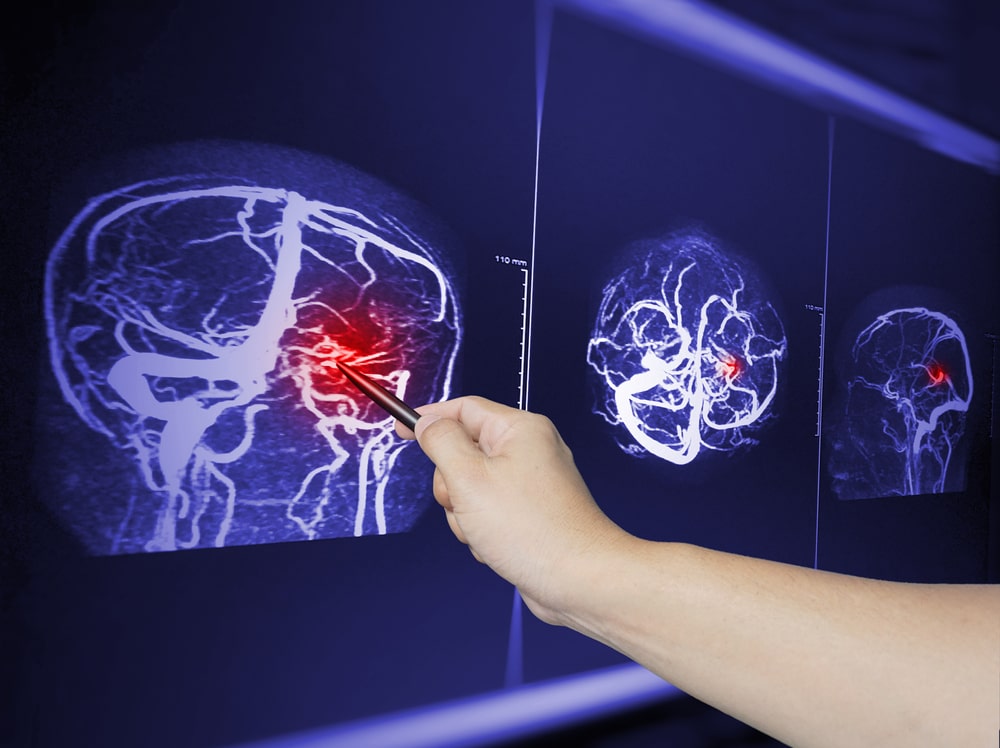
A traumatic brain injury occurs when a bump, blow, jolt, or penetrating wound disrupts normal brain function. The injury might happen in a car crash, a fall from a ladder, a sports collision, or an assault. Unlike a broken bone that shows clearly on an X-ray, brain injuries often remain invisible while causing serious symptoms.
Traumatic brain injury remains one of the leading causes of death and long-term disability in the U.S. The Centers for Disease Control and Prevention (CDC) recorded 69,473 TBI-related deaths nationwide in one recent year, averaging 190 deaths every day.
Washington's numbers reflect similar patterns, with falls, motor vehicle crashes, and violence accounting for most injuries. Knowing how common these injuries are in our state can put some of the risks into perspective.
Medical professionals classify TBIs by severity. A mild TBI, commonly called a concussion, involves a brief change in mental status or consciousness. Moderate and severe TBIs cause extended periods of unconsciousness, memory loss, and potentially permanent cognitive deficits. The term "mild" misleads many people; even concussions may produce headaches, confusion, and difficulty concentrating for weeks or months.
Types of traumatic brain injuries
Brain injuries look different depending on how they happen. The most common types include:
- Concussion: A mild TBI caused by a bump, blow, or jolt that temporarily disrupts brain function.
- Contusion: A bruise on the brain tissue, usually from a direct impact to the head.
- Diffuse axonal injury: Damage that occurs when the brain shifts rapidly inside the skull, stretching and tearing nerve fibers. Car crashes commonly cause this type.
- Penetrating injury: Damage from an object that breaks through the skull and enters the brain, creating localized but often severe harm.
Each type of TBI requires different treatment approaches and carries different risks for long-term effects.
How doctors diagnose a TBI
Emergency physicians evaluate head injuries using imaging studies and neurological examinations. A CT scan detects bleeding, swelling, and skull fractures quickly, making it the first choice in emergency settings.
MRIs provide more detailed images of brain tissue and may reveal damage that a CT scan misses. Clinical assessments check pupil response, motor function, speech, memory, and orientation to determine injury severity.
Symptoms vary widely depending on which brain regions sustained damage. Common signs include headaches, nausea, dizziness, blurred vision, sensitivity to light, difficulty sleeping, mood changes, and trouble with memory or concentration. Some symptoms appear immediately while others develop over hours or days.
TBI Statistics in Washington State
Public health agencies track TBIs to identify trends, allocate resources, and develop programs to prevent head injuries. Washington's data reveals patterns that government agencies, doctors, and others can use to inform safety and prevention programs.
How many people get TBIs in Washington each year?
The Washington State Department of Health reports that TBI affects thousands of state residents annually. In a representative year, approximately 1,527 Washington residents died from TBI-related causes, while another 4,736 required hospitalization. These figures represent a rate of 20.7 deaths and 63.7 hospitalizations per 100,000 population.
However, the actual number of brain injuries is far higher. Many people with concussions go to the emergency room but never get admitted. Others see their primary care doctor or simply rest at home and don’t report the injury. State data captures only the most serious brain injury cases.
Emergency room visits and hospitalizations
Emergency rooms across Washington treat TBI patients every day. Nationally, the CDC estimates more than 214,000 TBI-related hospitalizations occurred in 2020, averaging 586 per day. Washington's share of this burden fills hospital beds from Seattle to Spokane.
Hospital stays for brain injuries often extend longer than other trauma admissions. Patients may need intensive care, surgery to relieve pressure or remove blood clots, and weeks of rehabilitation before going home. Medical costs add up fast.
Deaths linked to TBIs in Washington
TBI deaths in Washington follow the same patterns seen across the country. Older adults aged 65 and above account for approximately 39% of TBI deaths in the state. Older adults face a higher fall risk and often take blood-thinning medications, making head injuries more likely to be fatal.
Men die from TBIs far more often than women. Washington data shows males account for over 70% of TBI deaths, partly because men have higher rates of car crashes, workplace injuries, and violence.
What Causes the Most Brain Injuries in Washington?
The circumstances that cause brain injuries vary by age, setting, and activity level.
Falls
Falls cause more TBI hospitalizations in Washington than anything else. State data indicate that falls account for 60% of TBI-related hospital admissions. For an older adult, falling from standing height onto a hard floor creates enough force to cause serious brain damage.
Fall hazards are everywhere in daily life: slippery bathroom floors, cluttered walkways, loose rugs, poor lighting, broken stairways, and uneven sidewalks. Nursing homes and assisted living facilities see disproportionate numbers of fall-related TBIs among their residents.
Children also sustain brain injuries from falls. Playground equipment, stairs, furniture, and windows pose hazards. The Washington Department of Health recommends installing window guards, using safety gates, and supervising young children closely to reduce these risks.
Motor vehicle crashes
Car accidents remain the second leading cause of TBI hospitalizations in Washington, accounting for approximately 20% of cases. A serious car crash TBI often results from high-speed collisions that generate forces the brain cannot withstand, even when occupants wear seatbelts.
The National Highway Traffic Safety Administration (NHTSA) reports that motor vehicle crashes cause roughly 16,400 TBI-related deaths annually across the U.S. Seatbelts reduce the risk of fatal brain injury by approximately 57%. Yet, many crash victims still sustain serious head trauma even while wearing a seatbelt.
Motorcycle accidents, pedestrian collisions, and bicycle crashes also cause significant numbers of brain injuries. Wearing a helmet can lower TBI risk and severity, but no device can completely prevent TBI.
Sports and recreational injuries
Youth athletes face real risks for concussions and more serious brain injuries. Football, soccer, basketball, and other contact sports produce thousands of head injuries each year. The CDC's Heads Up campaign provides resources to help coaches, parents, and young athletes recognize and respond to concussions.
Washington requires schools to report all diagnosed concussions among students participating in athletics. The state's Student Head Injury Reporting program tracks these injuries to identify trends and improve prevention efforts. Parents concerned about their child's head injury during sports activities may access return-to-play guidelines through the Department of Health.
Assaults and violence
Intentional injuries account for a meaningful percentage of TBI deaths in Washington. Assaults cause brain injuries through direct blows to the head, falls during fights, and other forms of violence. Intimate partner violence causes TBIs that often go unreported and undiagnosed.
Who Is Most at Risk for TBI in Washington?

Brain injury risks change throughout life. Prevention works best when it targets the groups most affected.
Children and teens
Young people suffer brain injuries mostly from falls, sports, and car crashes. Washington data shows children aged 0-14 account for approximately 7% of TBI hospitalizations statewide. Playground falls and bicycle accidents cause many of these injuries.
Teens aged 15-24 have higher risks from car crashes and contact sports. This age group has some of the highest rates of TBI-related emergency room visits in the country. Inexperience behind the wheel, combined with risk-taking behavior, leads to many crash-related brain injuries.
Adults 25-64
Working-age adults get TBIs from workplace accidents, car crashes, falls, and violence. Construction workers, first responders, and others in dangerous jobs face higher risks. This age group accounts for roughly 37% of TBI hospitalizations in Washington.
Many adults in this age range have family and financial responsibilities that make head trauma particularly devastating. Lost income during recovery strains household budgets, and cognitive problems may prevent returning to a previous job.
Seniors (65+)
Older adults have the highest rates of TBI hospitalization and death in Washington. Falls cause most of these injuries. As people age, changes in balance, vision, and medication use raise the risk of falling, while thinner bones and more fragile blood vessels make injuries worse.
Adults 65 and older account for approximately 47% of TBI hospitalizations and 39% of TBI deaths in Washington. The state supports Older Adult Fall Prevention Coalitions that work with local communities to provide resources, exercise programs, and home safety assessments.
Living With the Long-Term Effects of a Traumatic Brain Injury

The extent to which someone recovers from a brain injury depends on the severity of the injury, the location in the brain where it occurred, and several individual factors. Some people return to normal within weeks. Others face permanent changes.
Physical and cognitive effects
Moderate and severe TBIs often cause lasting cognitive problems. Memory issues make it hard to learn new things or recall recent events. Concentration suffers, affecting work and daily tasks. Some survivors deal with motor difficulties, balance problems, or chronic headaches for years.
Even mild TBIs may cause symptoms that last for months. Post-concussion syndrome brings persistent headaches, dizziness, fatigue, and thinking difficulties that get in the way of normal life. Multiple concussions can worsen these effects and raise the risk of long-term damage.
Mental health and emotional impact
Brain injuries affect emotions and mental health. Depression is common after a TBI, along with anxiety and personality changes. Irritability, mood swings, and trouble controlling impulses strain relationships with family and friends.
The emotional toll goes beyond the brain injury itself. Losing the ability to work, struggling with tasks that used to be easy, and depending on others for help all take a psychological toll. Support groups and mental health treatment help many TBI survivors cope.
Economic and social challenges
The financial impact of a serious brain injury goes far beyond the initial hospital bill. Lost wages during recovery, reduced earning power from permanent disabilities, and ongoing therapy costs pile up over time. The CDC estimates that TBI costs the United States approximately $60 billion annually in medical expenses and lost productivity.
Family members often become caregivers, cutting back their own work hours and income. Relationships suffer when cognitive or behavioral changes make the injured person hard to be around. Many TBI survivors feel isolated and lose their independence.
Washington Resources for TBI Survivors and Families
Washington offers programs and organizations that help brain injury survivors and their families.
Medical care and rehabilitation
Harborview Medical Center in Seattle is the region's Level I trauma center and provides acute care for severe brain injuries. Rehabilitation facilities across the state offer inpatient and outpatient programs focused on cognitive therapy, physical rehabilitation, occupational therapy, and speech-language pathology.
The Washington State Traumatic Brain Injury Strategic Partnership Advisory Council advises state agencies on TBI services and works to identify gaps in care. Their comprehensive plan addresses the needs of Washington residents affected by brain injuries.
Support groups and advocacy organizations
The Brain Injury Alliance of Washington provides information, referrals, and support for TBI survivors and families. Virtual support groups allow people throughout the state to connect with others facing similar challenges.
The Department of Social and Health Services has resources specifically for TBI survivors, including help accessing services and working through the healthcare system. Their TBI program helps connect individuals with appropriate community support.
Frequently Asked Questions About Traumatic Brain Injuries in Washington
What is the statute of limitations for a brain injury lawsuit in Washington?
Washington law generally allows three years from the date of injury to file a personal injury lawsuit under RCW 4.16.080. However, brain injuries sometimes produce symptoms that develop gradually, which may affect when this deadline starts. Consulting a personal injury lawyer promptly helps preserve your legal options.
What if I was partly at fault for the accident that caused my brain injury?
Washington follows a pure comparative negligence rule under RCW 4.22.005. You may still recover compensation even if you share some responsibility for the accident, though your award decreases by your percentage of fault. An attorney evaluates the circumstances and builds the strongest possible case.
How much does a brain injury lawyer cost?
Ye Law Firm Injury Lawyers operates on contingency, meaning you pay nothing upfront and owe no attorney fees unless we recover compensation for you. Our fee comes out of the settlement or verdict as a percentage, never out of your pocket. This lets you get top-performing legal help without adding to your financial stress.
Is a concussion the same as a traumatic brain injury?
Yes, a concussion is a type of mild traumatic brain injury. The terms describe the same condition. Despite being classified as "mild," concussions remain serious injuries that require proper medical evaluation and rest. Repeated concussions increase the risk of long-term cognitive problems.
How long does recovery from a TBI take?
Recovery time varies widely based on how severe the injury is and individual factors. Many people with mild TBIs feel better within a few weeks, though some have symptoms for months. Moderate and severe TBIs may take years of rehab, and some effects never fully go away. Doctors create treatment plans based on each patient's needs and progress.
Partner with a Trusted Brain Injury Lawyer Today

A traumatic brain injury changes everything about daily life, from how you think and feel to how you earn a living and interact with loved ones. When someone else's negligence caused your head trauma, you have the right to seek compensation for medical expenses, lost income, pain, and the ways your life has changed.
Chong Ye at Ye Law Firm Injury Lawyers represents brain injury victims throughout Federal Way, Tacoma, Bellevue, and the greater Puget Sound region. He provides legal services in English, Korean, and Spanish, ensuring clear communication during a challenging time. Call (253) 946-0577 for a free consultation, or contact us online to discuss your case. You pay nothing unless your case recovers compensation.