Driving on I-5 through Tacoma or moving through the busy streets of Seattle can be stressful enough without the added danger of aggressive drivers. You merge to exit, and suddenly another driver is on your bumper, honking or making rude gestures. It happens so fast that it leaves you shaken and unsure of what to do next. If this behavior escalates into a collision, you might face severe injuries and a complicated legal battle.
What is considered road rage, and how does it differ from standard aggressive driving? While the terms are often used interchangeably, the distinction matters for your safety and your legal rights. Road rage goes beyond bad manners; it is dangerous, criminal behavior that puts everyone at risk. If you are injured by a driver who let their rage take the wheel, an experienced car accident lawyer can help you hold them accountable.
Key Takeaways for Types of Road Rage that Cause Crashes
- Road rage involves criminal intent to harm or intimidate, whereas aggressive driving is typically a traffic violation.
- Common behaviors include brandishing weapons, intentional ramming, and forcing other drivers off the road.
- Insurance companies often try to deny claims for road rage by labeling them as "intentional acts" rather than accidents.
- Washington State law punishes reckless driving under RCW 46.61.500, which is often the charge used for road rage incidents.
- You must prioritize your physical safety by not engaging with the angry driver and calling 911 if threatened.
How Is Road Rage Different from Aggressive Driving?
Many people assume aggressive driving and road rage are the same thing, but Washington law treats them differently. The National Highway Traffic Safety Administration (NHTSA) defines aggressive driving as a traffic offense.
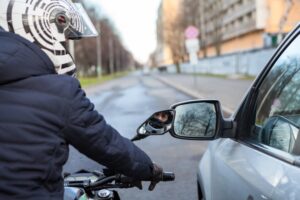
This occurs when a driver commits moving violations that endanger other people or property. Aggressive driving usually involves negligence or impatience. A driver might be running late for work in Bellevue and decides to speed, weave through traffic, or run a red light. They are being careless, but they aren't necessarily trying to hurt anyone.
Road rage, however, is the escalation of aggressive driving into violent, criminal behavior. It involves an intent to harm or intimidate. The driver isn't just in a hurry; they are angry at you and using their vehicle as a weapon.
In Washington, road rage is often prosecuted as an assault or under the reckless driving statute. The key difference is the driver’s state of mind. Aggressive driving is "I don't care about safety," while road rage is "I want to hurt or scare that driver."
This distinction is a pivotal one. It determines how police handle the scene and how insurance companies view the damage. While a speeding ticket is a matter for traffic court, an assault with a vehicle is a matter for criminal court and requires a different approach when seeking compensation for your injuries.
What Are the Most Dangerous Road Rage Behaviors?
Recognizing the signs of road rage may help you avoid a dangerous confrontation. While aggressive driving might look like speeding and weaving through traffic, road rage is personal and targeted. Drivers who have lost control of their temper often exhibit specific warning signs that indicate they are looking for a fight.
Watch for these escalating behaviors:
- Intentional tailgating to intimidate
Driving inches from your bumper is a common tactic used to scare another driver into moving or speeding up. - Brake checking
Slamming on brakes in front of you to cause a crash is a clear sign of malicious intent and can lead to severe rear-end collisions. - Forcing a driver off the road
Some enraged drivers will swerve or use their vehicle to physically push you out of your lane or onto the shoulder. - Physical confrontation
Getting out of the vehicle to threaten or physically attack you is the ultimate escalation of road rage. - Brandishing weapons
Displaying firearms, tire irons, or other weapons is a felony-level threat that requires immediate police intervention.
If you observe any of these behaviors, do not engage. The other driver is likely looking for a reaction to justify their violence. Your best defense is to distance yourself safely and let law enforcement handle the situation.
What Legal Penalties Do Drivers Face in Washington?
Acts associated with road rage can lead to serious criminal charges in Washington. While there is no single statute named "Road Rage," prosecutors use several laws to address this behavior. The severity of the charge usually depends on the driver's actions and whether anyone was hurt.
Reckless driving charges
The most common charge is reckless driving under RCW 46.61.500. This law makes it a gross misdemeanor to drive with "willful or wanton disregard for the safety of persons or property."
A conviction can result in jail time, heavy fines, and a suspended license. This charge acknowledges that the driver knew their actions were dangerous but chose to do them anyway.
Assault and felony charges
If the incident results in injury or involves a weapon, the charges become much more severe. If a driver threatens you with a weapon or physically attacks you, they can be charged with assault.
If the driver operates their vehicle recklessly and causes substantial bodily harm, they face Class B felony charges for vehicular assault. These are serious crimes that carry significant prison sentences.
What’s the difference between criminal and civil road rage cases?
The criminal system punishes the offender, but it doesn't automatically pay for your medical bills or car repairs. The prosecutor works for the state, not for you.
That is where the civil legal process comes in. You need to file a separate civil claim to recover the financial costs of your injuries and other damages, even if the other driver is going to jail.
The differences between the criminal and civil legal systems can be confusing, but a personal injury attorney can help coordinate these efforts to build a stronger case for your financial recovery.
How Can You Seek Compensation for Road Rage Injuries?
Victims of road rage often face a unique challenge when seeking compensation. In a standard car accident, you file a claim with the at-fault driver's insurance company. The insurer pays because their policyholder was negligent (careless). However, road rage complicates this process significantly.
The insurance coverage dilemma
Insurance policies generally cover accidents, not intentional acts. Insurance companies may try to deny your claim by arguing that their driver hit you on purpose, and therefore is excluded from coverage. This is a common tactic used to save money, and it leaves many innocent victims wondering how they will pay for their surgery or rehabilitation.
Proving negligence instead of intent
This is why you need a skilled injury lawyer. Experienced car accident attorneys know how to investigate the crash and frame the legal arguments to trigger coverage. They might argue that while the driver's anger was intentional, the collision itself was a result of recklessness, which should be covered.
Your lawyer might look for evidence that the driver lost control or made a reckless error, rather than arguing they essentially used their car as a weapon to hunt you down.
Using uninsured motorist coverage
If the other driver's insurance successfully denies coverage, you lawyer will look for other options. Uninsured Motorist (UM) Coverage on your own policy is a vital safety net. It can cover you if the other driver is uninsured or if their carrier denies the claim due to the intentional act exclusion.
Your lawyer can also explore state resources, such as Washington’s Crime Victim Compensation Program, which helps victims of violent crimes cover medical costs.
Finding a path to compensation requires a deep knowledge of insurance law, but with the right legal strategy, we can often find a way to get your bills paid.
What Types of Damages Can You Recover?
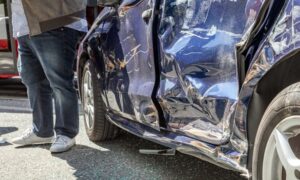
If you were injured in a road rage accident, you may claim economic and non-economic damages. Economic damages represent the actual money you lost or spent due to the accident. You can prove them with receipts, invoices, and employment records.
Non-economic damages are subjective, but they are often more significant, as they compensate you for the human cost and the ways the trauma has diminished your quality of life.
Common damages available to road rage victims include:
- Medical expenses
This includes emergency room visits, surgeries, hospital stays, and ongoing physical therapy needed for recovery. - Lost wages and income
You can claim compensation for the paychecks you missed while recovering, as well as lost future earning capacity if you cannot return to your job. - Property damage
This covers the cost to repair or replace your vehicle and any other personal property damaged during the attack. - Pain and suffering
These damages address the physical pain and discomfort you endure during your recovery process. - Emotional distress
Road rage is traumatic; you can seek compensation for anxiety, PTSD, and the psychological impact of being attacked.
Calculating the full value of these damages is critical because insurance adjusters often try to minimize the impact of the attack on your daily life. Your lawyer will work to make sure your car accident claim covers the complete scope of your injuries and losses.
What Evidence Strengthens Your Road Rage Claim?
To win a civil claim or lawsuit, your case must show that the other driver’s actions directly caused your injuries. Road rage cases often rely on specific types of evidence that differ from standard fender benders. Collecting this evidence quickly is critical before memories fade or video is deleted.
Dash cam footage and video
Video evidence is the most powerful tool in car accident cases to prove aggressive intent. A dash cam can capture the events leading up to the crash, showing the other driver's reckless behavior, brake checking, or swerving. If you don't have a dash cam, we can canvas local businesses for security camera footage or ask witnesses if their passengers recorded the incident on a smartphone.
Witness statements and 911 logs
Other drivers often call 911 when they see road rage because it is so alarming. Their testimony is crucial because they are neutral third parties. We also request the 911 call logs and transcripts. These record the timeline and your immediate report of the threat, which helps establish that you were the victim and not a willing participant in a "duel" on the highway.
Police reports and medical records
Officers will document skid marks, vehicle damage, and any citations issued at the scene. If the officer cited the other driver for reckless driving, that is strong evidence of liability. Additionally, your medical records serve as proof of the harm you suffered. Your lawyer uses these records to directly connect your injuries to the collision that the aggressive driver caused.
Building a mountain of evidence is the best way to force an insurance company to take your claim seriously and offer a fair car accident settlement.
What Steps Should You Take Immediately After an Attack?
Your actions in the moments following a road rage incident can protect your safety and your future legal claim. The situation is volatile, so keeping a cool head is essential.
- Do Not Stop: If the other driver is still aggressive, do not pull over. Drive to a police station or a busy public area.
- Call 911 Immediately: Report that you are being followed or attacked. Give the dispatcher your location and the other vehicle's description.
- Don't Engage: Avoid eye contact, rude gestures, or yelling back. De-escalate by ignoring them.
- Document Everything: Once you are safe, write down everything you remember, including the license plate number.
- Seek Medical Attention: Even if you feel fine, adrenaline can mask injuries. See a doctor right away.
Taking these steps not only keeps you safe but also creates an official record of the event that we can use later to support your case.
FAQ for Road Rage Accidents
Can I sue a driver for road rage in Washington?
Yes, you can file a civil lawsuit against a driver who injures you through road rage. You may be able to claim compensation for medical bills, lost wages, pain and suffering, and property damage.
Does car insurance cover road rage accidents?
It depends on the policy language and the facts of the case. Many insurance policies exclude "intentional acts." If the insurance company can prove their driver hit you on purpose, they may deny liability. A lawyer can help challenge this denial or file a claim under your own Uninsured Motorist coverage.
Is brake checking illegal in Washington?
Yes, brake checking is illegal. It can be cited as negligent driving or reckless driving under RCW 46.61.500 depending on the severity. If a driver brake checks you and causes a rear-end collision, they may be found at fault for the car accident, even though the rear driver is usually liable in rear-end crashes.
How common are road rage shootings in Washington?
Road rage violence involving firearms has been rising. The Washington State Patrol has reported a significant increase in freeway shootings over the last few years. This alarming trend underscores the importance of not engaging with aggressive drivers and calling 911 immediately if you see a weapon.
What is the difference between negligent driving and reckless driving?
Negligent driving (2nd degree) is a traffic infraction that involves driving in a way that endangers others but without willful intent. Reckless driving is a criminal charge (gross misdemeanor) involving "willful or wanton disregard" for safety. Road rage is typically charged as reckless driving or assault due to the intentional nature of the anger.
Justice You Deserve, Care You Can Trust

Road rage incidents are terrifying and can leave you with severe injuries and financial uncertainty. You should not have to pay the price for someone else's inability to control their temper. At Ye Law Firm Injury Lawyers, we believe in standing up for victims and fighting for the justice they deserve.
We understand the unique challenges of road rage cases, especially when insurance companies try to avoid paying. We will investigate your accident, handle the insurance adjusters, and work to secure the compensation you need to recover. You don't have to face this alone.
Call us or contact us online today for a free consultation. We serve clients throughout Federal Way, Seattle, Tacoma, and the surrounding areas.