You followed the traffic laws, stopped exactly when you were supposed to, and still ended up injured because the driver behind you wasn't paying attention. Now, a rear-end collision has left you dealing with neck pain, headaches, mounting vehicle repairs, and an insurance adjuster who insists your crash was just a "minor bump."
It feels incredibly unfair to have to fight for coverage when you were sitting still. Knowing what to do if a car hits you from behind is the only way to protect your recovery. A skilled car accident lawyer can stand between you and the insurance company, ensuring that adjusters take your injuries seriously, even if the visual damage to your car seems minimal.
Key Takeaways: Protecting Your Rear-End Accident Claim
- Rear driver liability is the standard, but not guaranteed: While the following driver is usually presumed at fault, exceptions exist for scenarios involving brake checking, sudden reversals, or mechanical failure.
- Adrenaline masks serious injury symptoms: The shock of a crash often hides pain from whiplash or concussions for days, meaning a lack of immediate pain does not mean you are uninjured.
- Property damage does not equal injury severity: Insurance adjusters frequently use the "low impact" defense to deny injury claims simply because the vehicle bumper shows minimal visible damage.
- Emotional trauma deserves compensation: Washington law recognizes that the psychological impact of a crash, including PTSD and driving anxiety, deserves financial compensation just like a broken bone.
- Early settlement offers usually fall short: Insurers often propose quick cash settlements that cover immediate bills but fail to account for long-term physical therapy or future wage loss.
Why "Minor" Rear-End Crashes Aren’t Always Minor
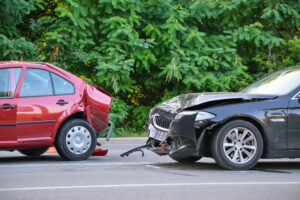
A common myth is that if there is little damage to the car, the occupants cannot be hurt. Insurance companies rely on this "low impact defense" to deny rear-end accident claims.
However, science tells a different story. Modern bumpers are designed to absorb energy and rebound, showing little visible damage. The occupants inside, however, absorb the force that the car did not.
The sudden snapping motion of the head and neck occurs even at low speeds, tearing ligaments and causing concussions. Claiming compensation for medical bills, missed work, and other losses often requires a legal fight to keep the focus on your medical reality, not just the photos of your bumper.
Steps to Take in the Days Following the Crash
Immediately after being rear-ended, you may have gone through the motions of exchanging insurance details, taking photos of the damage, and giving a statement to the police. However, if your injuries prevented you from taking these measures or you simply forgot amid the chaos, a car accident lawyer can help secure car accident evidence to support your claim for damages.
You likely have more control over the decisions you make in the days and weeks following the crash, including some of the steps that can strengthen your claim and increase its value. Now that the adrenaline has faded, your focus must shift from the accident scene to your physical and legal recovery.
Why is immediate medical attention critical?
If you have already seen a doctor, you made the right choice. However, many people walk away from a rear-end collision feeling shaken up but physically okay, only to wake up in severe pain days later.
The body releases a massive amount of adrenaline during a crash, which effectively blocks pain receptors. Common injuries like whiplash, concussions, and soft tissue damage often do not show symptoms for 24 to 48 hours. The specific injuries you experience can also depend on the types of car accident involved, such as rear-end collisions, T-bone crashes, or multi-vehicle pileups.
If you have not yet been evaluated, go to an urgent care clinic or your primary physician as soon as you can. If you wait a week or more to see a doctor, the insurance adjuster will argue that your injuries were caused by something else in the intervening days.
Visiting a doctor creates an official medical record that links your pain directly to the specific date and time of the accident, making it much harder for the insurance company to deny coverage.
Once your immediate medical needs are addressed, you must take specific actions to protect the value of your case.
Consult a car accident lawyer
Working with an experienced attorney is the single most effective step you can take to protect your rights. Your lawyer acts as a shield between you and the insurance company, preventing you from accepting an inadequate settlement or signing away your right to fair compensation.
Legal counsel manages the complex paperwork and negotiations, allowing you to rest rather than fight. Bringing an experienced trial lawyer on board early gives your case legal authority and sends a clear message to the insurance company that you are taking your recovery seriously and will not be pushed around.
Follow your treatment plan consistently
Missing physical therapy sessions and medical treatments or skipping doctor visits gives the impression that your injuries are nothing to take seriously. Insurance adjusters look for gaps in care to devalue claims. If a doctor prescribes six weeks of therapy, attending every session is vital not just for your physical healing, but for your legal case.
Consistency in your treatment proves to the insurance adjuster that your injuries are severe, ongoing, and require full compensation.
Document pain and limitations
Medical records show the clinical side of your injury, but they don't capture how it feels to live with it. Keep a daily journal or video log describing your pain levels and the activities you can no longer perform.
Recording details like "could not pick up my child today due to back spasms" or "unable to sleep because of neck pain" provides strong support for your pain and suffering, which may form a considerable portion of your damages. This personal documentation humanizes your suffering and helps your attorney convey it to an adjuster or jury.
Avoid posting on social media
Insurance investigators frequently monitor the social media profiles of claimants. A photo of you smiling at a birthday party or attending a family dinner can be twisted to argue that you are not actually in pain, suffering from PTSD, or restricted in your activities. Even an innocent "I'm okay" post to reassure friends can be used against you. It is best to refrain from posting entirely until your case is resolved to ensure your digital footprints don’t undermine your claim.
What’s the Risk of Dealing with Insurance Adjusters?
Shortly after the crash, the other driver's insurance company will likely contact you. They may sound friendly, asking how you are feeling and offering a quick settlement to close the file.
Be cautious. Their goal is to protect their company’s bottom line. They achieve that by offering you the bare minimum before you’ve had a chance to consult a lawyer and understand the full value of your car accident claim.
- Avoid recorded statements
They are trained to ask leading questions. They might ask, "Did you stop suddenly?" to shift a percentage of the blame onto you. - Do not sign medical releases
They may ask for a blanket release to view your medical history, looking for pre-existing conditions to blame for your current pain. - Reject the first offer
Quick settlement offers rarely account for future medical needs like physical therapy or chiropractic care.
Directing all communication to your attorney prevents these tactical errors and forces the insurer to treat your claim seriously.
What Compensation Can You Claim After a Rear-End Collision?

A fair settlement must account for every way the accident has impacted your bank account and your well-being. Damages are generally divided into two categories: economic damages for your financial losses, and non-economic damages for your human suffering.
Calculating your financial losses
Economic damages are objective costs that can be proven with receipts and employment records. It is critical to look beyond your immediate emergency room bill. You are entitled to recover:
- Medical expenses: This covers ambulance fees, hospital stays, and—crucially—future costs for physical therapy, chiropractic care, or surgeries.
- Lost income: You should be reimbursed for missed paychecks, the use of sick leave, and any loss of future earning capacity if injuries limit your career.
- Property damage: This includes repairs, rental car costs, and the diminished value of your vehicle.
Putting a price on non-economic damages
Money cannot fix physical pain, but it is the only remedy the civil justice system offers. These damages compensate you for the subjective impact of the crash, including:
- Pain and suffering: Compensation for the physical discomfort and agony endured during recovery.
- Emotional distress: Coverage for anxiety, depression, and mental anguish caused by the trauma.
- Loss of enjoyment of life: Damages awarded if your injuries prevent you from enjoying hobbies, exercise, or family activities you once loved.
Hidden Mechanical Damage to Your Vehicle
Just as your body can hide injuries, your car can hide serious mechanical problems after a rear-end impact. A visual inspection of the bumper often fails to reveal structural issues that jeopardize the vehicle's safety. Modern cars are packed with sensitive electronics and sensors in the rear fascia that control blind-spot monitoring, backup cameras, and parking assists. A "minor" tap can misalign these sensors, rendering safety features useless.
Furthermore, the force of impact often travels through the chassis. This can cause:
- Frame damage that weakens the structural integrity of the car.
- Trunk misalignment which leads to water leaks and mold growth.
- Exhaust system damage that could cause dangerous carbon monoxide leaks.
- Transmission issues for AWD vehicles if the drive shaft was jammed forward.
Relying on the insurance adjuster's initial "visual estimate" often results in thousands of dollars in uncompensated repairs later. We ensure your vehicle is inspected by certified collision experts who look deeper than the surface scratches.
Can You Be Found Partially at Fault for a Rear-End Crash?
While the rear driver is usually presumed liable, Washington is a "pure comparative negligence" state. This means that fault can be shared. Insurance companies frequently attempt to shift a portion of the blame onto the lead driver to reduce their payout. They may argue that your brake lights were malfunctioning, or that you stopped suddenly for no valid reason.
If a jury finds that you were 20% at fault because your taillight was out, your total compensation would be reduced by that 20%. Because their money is on the line, insurance adjusters will scrutinize your driving behavior. Having an attorney allows you to fight any unfair allegations and attempts to pin fault on you.
A skilled car accident attorney can gather maintenance records, dash cam footage, witness testimony, and other evidence to refute claims of shared fault and prove who was truly at-fault in a car accident, keeping the liability squarely where it belongs: on the driver who hit you.
FAQ for Rear-End Collisions
Is the rear driver always at fault?
In almost all cases, yes. Drivers have a duty to maintain a safe following distance that allows them to stop for any reason. However, there are exceptions, such as if the lead driver reversed into the rear car, had broken brake lights, or cut the rear driver off and slammed on the brakes (brake checking).
What if I was pushed into the car ahead of me?
If you were stopped safely and were hit from behind, pushing you into the car in front, you are typically not at fault for the second impact. The driver who initiated the chain reaction is usually liable for all resulting damages. It is crucial to explain clearly to the police that you were pushed.
Should I see a chiropractor or a medical doctor?
You should start with a medical doctor or urgent care to rule out internal injuries or fractures. After that, chiropractic care is often an excellent treatment for the soft tissue injuries common in rear-end crashes. The most important thing is to follow a consistent treatment plan recommended by professionals.
Can I claim lost wages if I used sick time?
Yes. You used a benefit that you earned (sick leave or vacation time) because of someone else's negligence. You are entitled to be compensated for the value of that time, as well as any actual unpaid time off you had to take for recovery or appointments.
What if the other driver doesn't have insurance?
If you are hit by an uninsured driver, you can file a claim under your own Uninsured Motorist (UM) coverage. This acts as the other driver's insurance and covers your medical bills and pain and suffering. Using this coverage generally does not increase your premiums if you were not at fault.
Take Back Control of Your Future
An accident and everything that follows can make you feel like you have lost control of your own life. Insurance adjusters capitalize on that uncertainty, pushing lowball offers while you are still recovering.

At Ye Law Firm Injury Lawyers, we put the power back in your hands. We handle the negotiations and legal hurdles so you can focus entirely on healing. Don't settle for being ignored or undervalued. Call us or contact us online to schedule your free consultation. Let us help you take the first step toward true recovery.