If you suffered a dog bite, you know one of the first questions people ask is: "What kind of dog was it?" Certain breeds carry reputations, fair or not, that shape how we think about risk, blame, and responsibility.
If you're looking for information about dangerous dog breeds in Bellevue, you may be surprised to find that Washington law doesn't care about the dog’s breed. Under the state's strict liability statute, a chihuahua bite and a pit bull bite are treated exactly the same. The owner is responsible regardless of what kind of dog caused the injury.
That said, breed can still matter in specific situations—insurance coverage, negligence claims, and dangerous dog designations among them. Contact the Ye Law Firm Injury Lawyers to speak with a Bellevue dog bite lawyer if you were bitten by a dog and injured. We will help you understand how the law applies to your situation and what compensation you may be able to recover.
Key Takeaways About Dangerous Dog Breeds in Bellevue
- Washington law treats all dog bites equally, regardless of breed. Under strict liability, owners are responsible whether the dog is a rottweiler or a poodle.
- Bellevue does not ban any specific dog breeds. State law prohibits outright breed bans unless cities create exemption processes for well-behaved dogs.
- A dog's behavior, not its breed, determines whether it's legally "dangerous" under Washington law.
- Breed can still affect your case in certain situations, including insurance coverage disputes, negligence claims for non-bite injuries, and dangerous dog designations.
How Are Different Dog Breeds Regarded Under Washington's Dog Bite Laws?
The short answer: All breeds are treated equally. Washington's strict liability statute, RCW 16.08.040, makes no distinction between breeds when determining whether an owner is liable for a bite.
Many people assume that being bitten by a pit bull, Rottweiler, or German Shepherd automatically means stronger legal claims or higher compensation. However, that's not how Washington law works.
If a dog bites you while you're in a public place or lawfully on private property, the owner is liable whether the dog is a 10-pound terrier or a 100-pound mastiff.
Washington reinforced this position in 2019 when the legislature passed RCW 16.08.110, which discourages breed-specific legislation statewide. The law explicitly states that a dog's breed does not indicate whether it is dangerous. This means courts and juries focus on what happened during the bite incident, not on stereotypes about certain breeds.
Are Pit Bulls Banned in Bellevue, WA?
No. Bellevue does not ban pit bulls or any other breed.
While a handful of smaller Washington cities have historically restricted certain breeds, state law now requires any city with breed-based rules to offer an exemption process. Dogs that pass the American Kennel Club's Canine Good Citizen test or a similar behavioral evaluation must be exempted from breed restrictions.
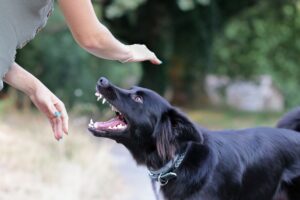
This reflects a broader shift in how communities think about dog safety. The focus has moved away from targeting specific breeds and toward holding individual owners accountable for their dogs' behavior.
The Washington legislature explicitly found that "breed-specific ordinances fail to address the factors that cause dogs to become aggressive."
Many pit bull owners in Bellevue and throughout King County are responsible, loving pet parents whose dogs have never shown aggression. The law recognizes this by refusing to treat all dogs of a particular breed as inherently dangerous.
For dog bite victims, this means the breed of the dog that bit you won't determine your legal rights. Your claim depends on the circumstances of the bite, not on whether the dog was a pit bull, a Rottweiler, or a golden retriever.
When Does Breed Actually Matter in a Dog Bite Case?
While breed doesn't affect strict liability claims for bites, it can become relevant in other situations.
Insurance Coverage Disputes
Some homeowner's and renter's insurance policies exclude coverage for certain breeds. Common exclusions include pit bulls, Rottweilers, Dobermans, German Shepherds, and wolf hybrids.
If the dog that bit you belongs to an owner whose policy excludes that breed, recovering compensation may require pursuing the owner's personal assets or exploring other coverage options, which is where a premises liability lawyer may be able to help.
Negligence Claims for Non-Bite Injuries
Washington's strict liability statute only covers actual bites. If a large dog knocked you down and caused a brain injury or a broken hip, you'd need to prove negligence. This would involve proving that the owner knew or should have known the dog posed a risk.
In these cases, evidence about breed characteristics like size and strength may be relevant to establishing what the owner should have anticipated.
Dangerous Dog Designations
Under RCW 16.08.070, a dog can be officially declared "dangerous" based on its behavior—not its breed. Once designated, the dog's owner faces stricter requirements, and future incidents carry enhanced liability. Any breed can receive this designation if the dog's actions warrant it.
Claims Involving Prior Knowledge
If an owner knew their dog had aggressive tendencies and failed to take precautions, that knowledge strengthens your case. This applies equally to all breeds, though some owners of larger, stronger dogs may face additional scrutiny about whether they took appropriate safety measures.
A dog’s breed can be mentioned in a claim, but it is not the deciding factor under Washington law. Liability turns on what the dog did and whether the owner failed to take reasonable steps to prevent the attack, which can become central in a personal injury lawsuit.
How Does Washington Define a "Dangerous Dog"?
Washington strict dog bite law defines dangerous dogs based entirely on behavior, not breed.
Under RCW 16.08.070, a dog is considered "dangerous" if it:
- Inflicts severe injury on a person without provocation
- Kills a domestic animal without provocation while off the owner's property
- Has been previously designated as "potentially dangerous" and again bites, attacks, or endangers safety
A "potentially dangerous" dog is one that, without provocation, has bitten a person or animal, chased someone in a menacing manner, or shown a known tendency to attack.
These designations come from local animal control, not from breed lists. A friendly-looking Labrador that severely injures someone can be designated dangerous. A well-trained pit bull that has never shown aggression would not be.
Once a dog receives a dangerous designation, the owner faces strict requirements: secure enclosures, warning signs, liability insurance, muzzling in public, and more. Violating these requirements can result in criminal charges. If a designated dangerous dog injures someone again, the consequences for the owner become significantly more severe.
What If the Dog Owner's Insurance Won't Cover the Bite?
This is where breed can create complications for victims.
Many insurance companies maintain lists of breeds they consider "high risk." These policies may exclude coverage for bites involving pit bulls, Rottweilers, German Shepherds, Dobermans, Akitas, Chow Chows, and others. The specific breeds vary by insurer.
If the dog that bit you falls under an insurance exclusion, you may face challenges:
- The owner's insurance company may deny the claim entirely.
- You may need to pursue compensation directly from the owner's personal assets.
- Recovery may be limited if the owner lacks sufficient assets or additional coverage.
Some insurers, including State Farm and USAA, evaluate dogs based on individual behavior and bite history rather than breed. An attorney can help investigate the owner's coverage and identify all potential sources of compensation, including umbrella policies or separate canine liability coverage the owner may carry.
What Compensation Can You Recover After a Dog Bite in Bellevue?
Regardless of the dog's breed, you can seek compensation for the full scope of your injuries. Washington does not cap damages for dog bite cases, so recovery depends on the actual harm you suffered.
Economic Damages
These cover the measurable financial costs of your injury:
- Emergency room visits and hospitalization
- Surgery, including reconstructive procedures for scarring
- Prescription medications and wound care supplies
- Physical therapy and rehabilitation
- Future medical treatment for ongoing complications
- Lost wages from missed work during recovery
- Reduced earning capacity if injuries are permanent
Dog bites often require multiple medical visits, including initial emergency treatment, follow-up wound care, infection monitoring, and sometimes plastic surgery to minimize visible scarring.
Non-Economic Damages
These address the less tangible but equally real impacts:
- Physical pain and suffering
- Emotional distress and psychological trauma
- Scarring and permanent disfigurement
- Anxiety, including fear of dogs
- Loss of enjoyment of life and daily activities
Children may develop lasting fears of dogs, experience nightmares, or struggle with anxiety in situations where dogs are present. Adults can experience PTSD-like symptoms after a traumatic attack. These psychological injuries deserve compensation alongside physical wounds.
According to the Insurance Information Institute, settlements on dog bite claims ranged in the tens of thousands of dollars to significantly more for severe injuries involving hospitalization, surgery, or permanent scarring.
What Should You Do After a Dog Bite in Bellevue?
If you've already received medical care, these additional steps protect your legal rights.
Talk to an Attorney
A Bellevue personal injury lawyer can investigate the owner's insurance coverage, document your claim, and handle communications so you can focus on healing. This is especially helpful when breed-related insurance exclusions may complicate your claim.
Document Everything
Photograph your injuries as they heal. Keep a journal of your pain levels, limitations, and emotional state. Note how the injury affects your sleep, work, and daily activities. Save all medical records and bills.
Report the Bite to Animal Control
In King County, contact Regional Animal Services. Reporting creates an official record and may trigger a dangerous dog investigation if the dog has a history of aggression.
Identify the Dog and Owner
Get the owner's contact information, homeowner's or renter's insurance details, and any information about the dog's history. Ask whether the dog has bitten anyone before.
Taking these steps early strengthens your claim and preserves evidence that may become harder to obtain as time passes.
FAQs About Dangerous Dog Breeds in Bellevue
What dog breeds are considered dangerous in Bellevue, Washington?
Bellevue does not legally designate any breeds as inherently dangerous. Under Washington law, a dog's behavior, not its breed, determines whether it's classified as dangerous or potentially dangerous.
Can I sue a dog owner for a bite in Bellevue WA?
Yes. Washington's strict liability law holds dog owners responsible for bite injuries regardless of the dog's breed or history. You can pursue compensation for medical bills, lost wages, pain and suffering, and other damages.
Do leash laws affect dog bite liability in Bellevue?
Leash law violations can support a negligence claim, particularly for non-bite injuries. King County requires dogs to be leashed in public areas except designated off-leash parks. An unleashed dog that causes injury strengthens your case.
What if I was bitten by a dog whose breed is excluded from the owner's insurance?
You may still recover compensation, but the process may be more complex. An attorney can investigate all potential coverage sources, including umbrella policies, and determine whether pursuing the owner's personal assets is viable. Some insurers, like State Farm, evaluate dogs individually rather than by breed, so coverage possibilities vary.
How do I report a dangerous dog in Bellevue Washington?
Contact King County Regional Animal Services to file a report. Animal control investigates incidents and determines whether a dog should be designated potentially dangerous or dangerous based on its behavior. This designation applies regardless of the dog's breed.
Compassionate Legal Help for Dog Bite Victims

A dog bite is painful, frightening, and often complicated by questions about breed, blame, and what to do next. You may be dealing with injuries, mounting medical bills, and uncertainty about your rights. If the dog belongs to someone you know, you might also feel conflicted about pursuing a claim.
These feelings are understandable. You deserve clear answers and compassionate support from someone who will listen before advising.
Chong Ye at the Ye Law Firm Injury Lawyers knows how to navigate these delicate situations. He brings a background in ministry and a genuine commitment to treating every client with care and respect. He offers services in English, Korean, and Spanish, and takes time to understand your situation fully before recommending next steps.
Contact the Ye Law Firm Injury Lawyers for a free consultation. You won't pay any fees unless the Ye Law Firm recovers compensation for you.